Looking for roofing services in Missoula or Western Montana? We provide roof repair, roof replacement, metal roofing, and storm damage services throughout Hamilton, Kalispell, Bigfork, Polson, and surrounding Montana communities.

Montana winters can challenge a roof with heavy snow, freezing temperatures, strong winds, and repeated freeze-thaw cycles. For homeowners, choosing the right roofing materials and installation methods can help protect against moisture intrusion, structural stress, and costly repairs.
A successful roof job involves more than selecting shingles or metal panels. Decking condition, underlayment protection, flashing placement, attic airflow, and water drainage all affect how well a roof performs over time. Hunter Roofing LLC helps homeowners understand the factors involved in planning a new roof.
Roof Installation in Arlee, MT: A Homeowner's Guide for Montana Winters explains how to choose suitable materials, prepare for snow and ice, and protect your home against common cold-weather roofing problems.
Cold weather and freezing temperatures can affect your roof in several ways. Understanding these risks helps you make better decisions about materials, installation, and maintenance.
When planning roof setup, consider your property's elevation, slope, drainage, wind exposure, and applicable snow-load requirements.
The best roofing material depends on your budget, design, maintenance preferences, and exposure to local weather. Compare these options before making a decision.
An asphalt shingle roof remains a practical choice for many residential properties.
Compare product specifications, installation requirements, and warranty terms before selecting shingles for your home.
Metal roofing offers another option for homeowners seeking a durable exterior covering.
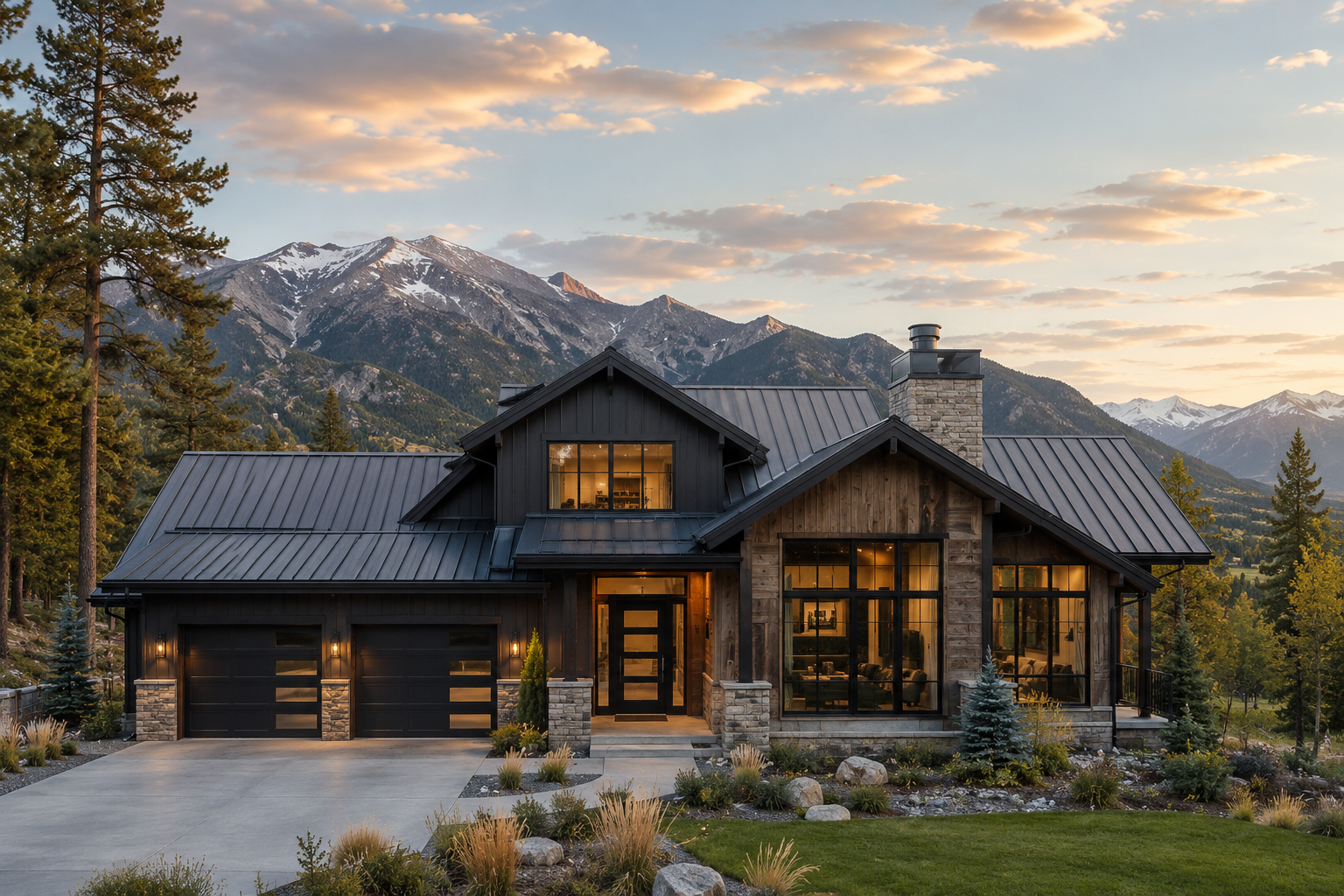
A standing seam metal roof features raised seams and concealed fasteners, creating a clean appearance with fewer exposed fastening points.
Consider these factors before choosing metal roofing:
Metal roof installation in Arlee, MT, should account for the building's design and expected winter conditions.
Flat roof installation requires particular attention to waterproofing and drainage because standing water can contribute to roofing problems.
For properties exposed to wildfire risk, consider a Class A fire-rated roofing assembly where appropriate. Confirm the rating of the complete assembly rather than assuming every roofing material meets this standard.
Roofing materials work as a system. Correct installation of the supporting components helps manage moisture and improve performance through changing weather conditions.
Roof decking
Provides the supporting surface for roofing materials and should be checked for damage before installation.
Roof underlayment
Adds a secondary layer of moisture protection beneath the roof covering.
Ice and water shield
Helps protect vulnerable areas from water intrusion where required by the roof design and applicable codes.
Roof flashing
Directs water away from chimneys, valleys, walls, and roof penetrations.
Drip edge
Helps guide water away from edges and underlying materials.
Ridge vent
Supports attic airflow when incorporated into a properly designed ventilation system.
Gutter installation
Helps direct rainwater and melting snow away from the building when gutters and downspouts are properly maintained.
Don't overlook attic ventilation. Proper ventilation, effective insulation, and air sealing work together to manage attic conditions and help reduce the risk of ice dams.
Our roofers in Arlee, MT, evaluate the existing structure and explain which components need attention before work begins.
Knowing what happens during installation helps you prepare for the project and understand the work included in your estimate.
1. Inspection and planning: The roofer evaluates the existing roof, identifies visible damage, discusses material options, and considers applicable building requirements.
2. Material selection and preparation: You review the proposed roofing system, project scope, costs, warranty terms, and installation schedule before work begins.
3. Tear-off and disposal: When replacement requires removing the existing roof, the experts remove the old materials and dispose of the debris appropriately. The exposed decking is then inspected for damage.
4. Installation and finishing: The crew installs the specified underlayment, flashing, drip edge, and roofing materials according to the system's requirements. Ventilation and drainage details receive attention as needed.
5. Final inspection and cleanup: The completed roof is checked for installation issues, and the work area is cleared of debris and loose materials.
Before hiring a roofer, ask about:
Review these details before approving your project so you understand the costs, responsibilities, and protections included.
Planning ahead can give you more flexibility when choosing materials and arranging a contractor. Late spring through early fall often provides convenient installation conditions, but the appropriate timing depends on weather, material requirements, and contractor availability.
Some roofing systems can be installed during colder months when conditions meet manufacturer specifications. Snow, ice, freezing temperatures, and moisture may affect installation methods or scheduling.
Look for warning signs such as
These signs do not automatically mean you need a new roof. A professional assessment can help determine whether localized repairs are sufficient or roof replacement in Arlee, MT, is the more appropriate option.
If you're unsure about your roof's condition, ask Hunter Roofing LLC about a free roof inspection, if available for your property.
How long does a roof installation take in Arlee, MT?
Many residential asphalt shingle installations take approximately one to three days. Larger roofs, complex designs, adverse weather, or damaged roof decking can extend the schedule.
What is the best roofing material for Montana winters?
Architectural shingles and metal roofing can both perform well when properly selected and installed. Consider snow loads, wind exposure, maintenance, and overall cost before choosing.
Is a metal roof better than shingles in Arlee, MT?
Metal roofing may offer durability and easier snow shedding under suitable conditions, while asphalt shingles often have a lower initial cost.
When is the best time of year to install a roof in Montana?
Late spring through early fall often provides favorable conditions. However, installation may be possible during other seasons when weather and material requirements permit.
How do I know if I need a new roof or just a repair?
Localized damage may be repairable, while widespread deterioration or recurring leaks may indicate replacement is worth considering.
Do I need a permit for roof installation in Lake County, MT?
Requirements depend on the property's jurisdiction and the scope of work. Confirm applicable permits with the relevant local building authority before starting the project.
A reliable roofing system starts with suitable materials, sound installation practices, and careful attention to snow loads, moisture protection, and drainage. Addressing these factors before winter can help homeowners make informed decisions about their property's long-term protection.
If you're planning roof installation in Arlee, MT, contact Hunter Roofing LLC to discuss your project, compare roofing options, and determine the next steps for your home.